
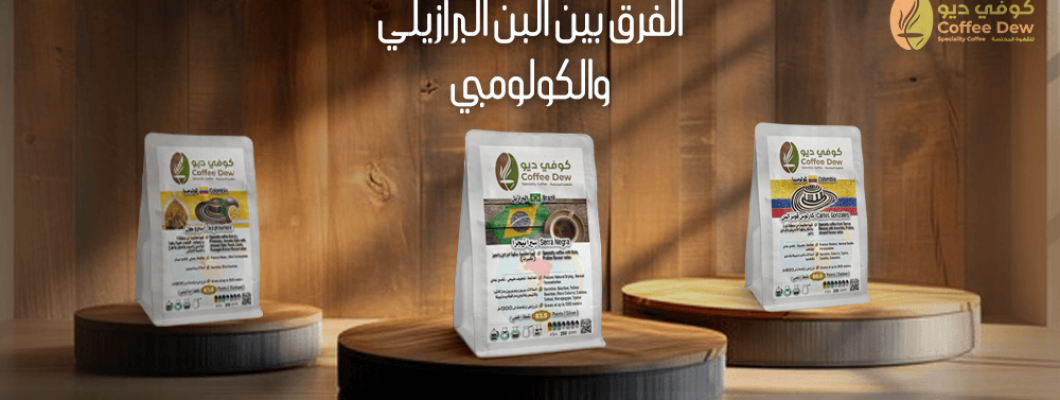
Choosing between Brazilian and Colombian coffee can be quite puzzling, as each type holds a distinguished place among all coffee varieties. You won’t be able to determine which one suits you best until you understand the differences between Brazilian and Colombian coffee. This article will guide you through all the distinctions between the two types.
Differences Between Brazilian and Colombian Coffee
Some coffee enthusiasts think that the difference between Brazilian and Colombian coffee is merely a subtle one in taste or aroma—a hint of bitterness in one or a fragrant note in the other. However, these perceptions are not enough to understand the full distinction, which spans several aspects outlined below:
Growing conditions
Flavor profile
Roasting level
Preparation methods
Growing Conditions
Despite being from the same continent, Brazilian and Colombian coffee grow under different conditions. Brazil cultivates coffee at lower altitudes, whereas Colombia relies on high-altitude plantations.
Brazil benefits from a moderate climate and fertile soil, producing coffee with a sweet taste and diverse flavor notes. Regular shade distribution also provides an ideal environment for coffee trees.
Colombia, on the other hand, enjoys abundant rainfall, more than Brazil, which results in smaller coffee beans with a pronounced aromatic profile.
Flavor Comparison
Taste often sparks the most debate among coffee lovers. Brazilian coffee is known for its sweet flavor, offering notes of chocolate, caramel, and nuts, along with a full-bodied texture ideal for milk-based drinks like lattes, cappuccinos, and flat whites.
Colombian coffee tends to have a slightly bitter taste with citrus hints, making it perfect for espresso lovers who enjoy a bold, straightforward coffee flavor without complex notes.
Roasting Differences
Brazilian coffee is roasted darker than Colombian coffee, which is reflected in the dark color of the grounds. Brazilians often use a dry processing method, drying the beans under the sun with the fruit pulp intact, giving the coffee its characteristic sweetness and full body.
Colombian coffee maintains higher acidity and fruity hints through medium roasting and wet processing, where the fruit pulp is removed before drying, resulting in a more concentrated and bolder flavor.
Preparation Methods
To fully enjoy the unique flavors of each type, it’s essential to use the preparation method that best suits it. Brazilians typically use a French press, immersing fine coffee grounds in hot water to achieve a sweet and full-bodied cup.
Colombians prefer pour-over methods like V60 or Chemex, which highlight the coffee’s acidity and fruity notes, including hints of berries and citrus.
Key Characteristics of Brazilian Coffee
Flavor and Aroma: Low acidity, lingering sweet taste, strong chocolate and nutty aroma.
Body: Full-bodied due to natural oils, ideal for milk-based beverages.
Notable Varieties: Yellow Bourbon, Mara Caturra, Catimor, Yellow Catuai, Red Catuai, Maragogipe, Typica.
Key Characteristics of Colombian Coffee
Flavor and Aroma: Higher acidity, bright fruity and citrus notes, aromatic berries.
Best Use: Perfect for espresso, preserving a bold, clean coffee taste.
Notable Varieties: Pink Bourbon, Castillo, Caturra, Colombia, Typica.
Buying Brazilian and Colombian Coffee in Saudi Arabia
Coffee Dew offers the finest specialty coffee made from premium Brazilian and Colombian coffee beans. The store also provides all the necessary coffee equipment, allowing you to prepare your perfect cup at home anytime, without relying on cafés.
Brazilian Coffee Products at Coffee Dew
Fasenda Sertao
Serra Negra
Mogiana Selections
Colombian Coffee Products at Coffee Dew
Asprounion
Maytama Castillo
La Cabana 200
La Domina
Asprounion Ice
El Bombo
Carlos Gonzales
In conclusion, the rivalry between Brazilian and Colombian coffee cannot produce a single winner. Lovers of sweet flavors and chocolate notes will gravitate toward Brazilian coffee, while fans of fruity, acidic flavors will choose Colombian coffee. Both types fully satisfy the diverse preferences of coffee enthusiasts.
Leave a Comment