
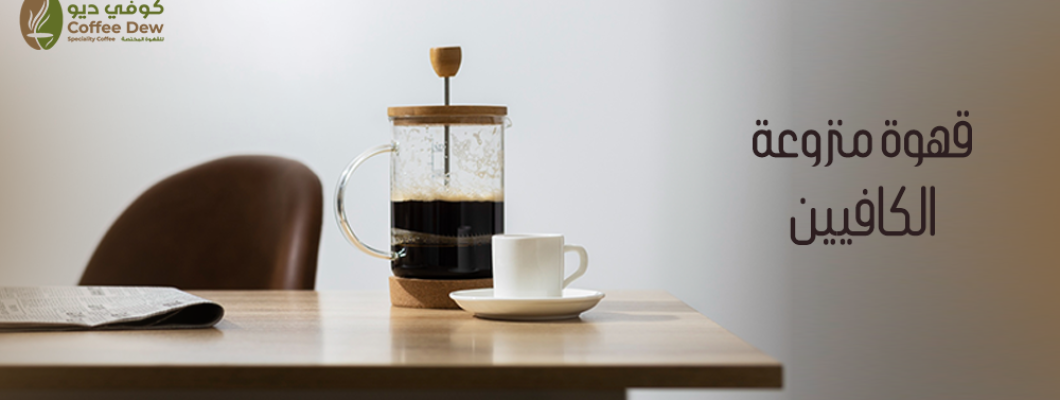
For those who prefer decaffeinated coffee, you might wonder why some people choose it, whether it can provide the same energy and vitality as regular coffee, and what are the benefits and risks associated with drinking it. All these questions and more will be answered in detail in the following lines from Coffee Dew, so keep reading.
What is Decaffeinated Coffee?
Decaf coffee is a type of regular coffee but contains a very small amount of caffeine, about 3% compared to regular coffee. Caffeine cannot be removed completely, but decaf coffee is similar in taste and color to regular coffee.
This coffee is made by soaking coffee beans in water with other substances, such as activated charcoal, which helps remove the caffeine. For example, a cup of decaf coffee may contain only 2 mg of caffeine, while a regular cup contains about 95 mg.
Nutritional Value of Decaf Coffee
Decaf coffee contains several beneficial nutrients for the body, including:
Antioxidants at about 15% less than regular coffee dew to caffeine removal.
Hydroquinone and polyphenols, which are antioxidants that help protect the body from cancer, heart disease, and type 2 diabetes while reducing oxidative damage.
Magnesium at 2.4%, potassium at 4.8%, and vitamin B3 at 2.5%.
Nutrition experts recommend drinking 2 to 3 cups per day to benefit from these nutrients.
Who Should Drink Decaf Coffee?
Experts suggest decaf coffee for certain people, including:
Those sensitive to caffeine.
Patients who cannot take caffeine with certain medications.
Pregnant and breastfeeding women.
Children and teenagers experiencing sleep disturbances or insomnia due to caffeine.
Best Decaf Coffee
At Coffee Dew, you can find the finest decaf coffee, which offers:
A unique flavor with notes of wafer, raisin, and chocolate, derived from coffee plant varieties such as Bourbon, Caturra, Typica, Criollo, and Mundo Novo.
Safe processing, with beans washed before normal fermentation and caffeine removal.
A convenient 250-gram size for extended use.
An exceptional taste experience different from other coffee types you may have tried.
High quality with added flavors to reduce bitterness, suitable for all tastes.
Rich in minerals and vitamins, including magnesium, potassium, and vitamin B3.
Benefits of Decaf Coffee
Decaf coffee offers numerous benefits when consumed in moderation, such as:
Boosting energy and stimulating the body without causing anxiety or insomnia.
Improving concentration and focus, especially during work or study.
Stimulating dopamine production, enhancing mood and happiness.
Providing the same taste as regular coffee without flavor changes.
Gentle on the stomach due to lower acidity, reducing heartburn and acid reflux.
Supporting dental health and maintaining natural tooth color.
Suitable for caffeine-sensitive individuals, pregnant and breastfeeding women.
Reducing nervousness and insomnia when consumed in moderation.
Protecting brain health and enhancing cognitive functions such as memory.
Potential Risks of Decaf Coffee
Excessive consumption may cause:
Stomach issues such as diarrhea, heartburn, nausea, and bloating.
Varied effects depending on individual response.
Worsening migraines in some people.
Increased anxiety, stress, or insomnia if consumed late in the day.
Presence of some chemicals used in the decaffeination process.
Higher cholesterol if high-fat beans are used, increasing the risk of heart disease and stroke, so limit to fewer than 4 cups per day.
Decaf Coffee Preparation Methods
Swiss Water Process
A common chemical-free method where beans are soaked in green coffee extract to remove caffeine while retaining flavor. Beans are then dried to original moisture and repackaged. This method yields 99.9% caffeine-free coffee with preserved taste.Carbon Dioxide Method
CO2 is used to extract caffeine from coffee beans, resulting in decaf coffee with a rich flavor.Methylene Chloride Method
This method uses a chemical solvent to remove caffeine, but it can be harmful to the central nervous system if used excessively.
Essential Coffee Preparation Tools
Some tools can enhance the coffee experience, available from Coffee Dew:
900 ml Glass Coffee Pot with Wooden Handle
Ideal for brewing coffee using stainless steel filters, suitable for homes, cafés, and restaurants. Heat-resistant glass allows brewing up to 6 cups at once, and the wooden handle ensures easy pouring.Large V60 Glass Coffee Dripper
Allows brewing coffee with the V60 method. Made of high-quality glass inside a heat-resistant plastic holder for easy assembly and cleaning.
In conclusion, decaf coffee offers valuable nutritional benefits, but the recommended daily intake should not exceed 4 cups to gain its advantages safely.
Leave a Comment